3D Glitch Backgrounds Vol.3: A Creative Resource for Designers and Creators
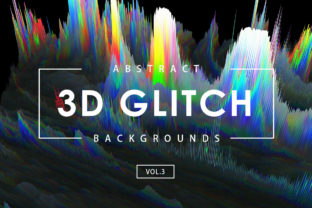
If you're a designer, marketer, or content creator looking to add a unique visual element to your projects, 3D Glitch Backgrounds Vol.3 might be the perfect addition to your toolkit. This collection of 15 high-resolution textures offers a fresh, modern aesthetic that can elevate everything from digital designs to printed materials. With each background at 6000x4000 pixels and formatted as JPEGs at 300 dpi, these glitch effects are built for both screen and print use.
Why Use 3D Glitch Backgrounds Vol.3?
Glitch aesthetics have become increasingly popular in design circles, offering a blend of retro and futuristic elements that stand out in a crowded visual landscape. These backgrounds aren't just eye-catching—they serve a functional purpose too. Whether you're creating a website, designing a flyer, or working on a branding project, the right texture can make all the difference.
The key advantage of 3D Glitch Backgrounds Vol.3 is its versatility. Each texture is crafted to work across multiple mediums. For instance, a subtle glitch pattern could enhance the look of a social media post, while a more intense effect might suit a poster or a banner for an event. The resolution ensures that even when scaled up, the details remain sharp and clear, which is especially important for print applications.
Real-World Applications
Let’s break down how different users might find value in this resource:
- Freelancers and small business owners: Adding a glitch texture to a logo or business card can help create a distinctive brand identity. It's a simple way to differentiate your work without needing complex graphic design skills.
- Marketers and bloggers: When creating promotional content, a glitch background can add an edgy, tech-forward feel that resonates with younger audiences. It's also great for social media posts where visual impact matters.
- Educators and hobbyists: These textures can be used in creative projects, such as classroom activities or personal art pieces. They provide a fun way to experiment with design principles and visual storytelling.
- Web designers and developers: As overlays or background images, these textures can add depth and interest to websites. They’re especially useful for landing pages or portfolios where you want to make a strong first impression.
- Photographers and artists: Using a glitch texture as an overlay can transform a regular photo into something more dynamic and engaging. It’s a quick way to add a layer of creativity without altering the original image too much.
When to Use 3D Glitch Backgrounds Vol.3
The timing of when you use these textures can greatly affect their impact. For example, if you're launching a new product, using a glitch background in your marketing materials can create a sense of innovation and urgency. Similarly, during a rebranding effort, these textures can help signal change and evolution.
It's also worth considering the context in which you’ll apply them. A more subdued glitch effect might be appropriate for a professional setting, while a bold, high-contrast version could work better for a creative or artistic project. Understanding the mood and tone you want to convey will help you choose the right texture from the collection.
What to Consider Before Using 3D Glitch Backgrounds Vol.3
While these textures offer a lot of potential, there are a few things to keep in mind before incorporating them into your work:
- Resolution and quality: Since these are high-resolution JPEGs, they’re suitable for both digital and print use. However, always check the intended use case to ensure the resolution meets your needs.
- Compatibility: Make sure the software or platform you’re using supports the file format. Most design tools like Adobe Photoshop or Illustrator should handle JPEGs without issue.
- Copyright and licensing: While these textures are likely for personal or commercial use, it’s always a good idea to review the license terms to avoid any legal issues.
- Design balance: Don’t let the texture overpower the main content. Use it as a subtle enhancement rather than a distraction.
Ultimately, the goal is to enhance your project, not overshadow it. By thoughtfully integrating these glitch backgrounds, you can create visually compelling designs that stand out in today’s digital world.